
How to Crate Train a Puppy: Step-by-Step Guide (2026)
Crate training done right gives puppies a safe space they love — not a punishment. Here's the exact method vets and trainers recommend.
Crate training has a bad reputation it doesn't deserve. When done correctly, dogs come to love their crate as a den — a safe, quiet retreat they choose on their own. When done incorrectly, it becomes a source of anxiety. This guide shows you the right way.
The Mindset Shift: Den Animals, Not Prisoners
Dogs are den animals. In the wild, canines seek out small, enclosed spaces to sleep and feel secure. A crate taps directly into that instinct — but only if introduced gradually and positively. A dog forced into a crate or locked up for too long will develop crate anxiety, not crate love.
The goal is for your puppy to choose to go to their crate voluntarily.
Choosing the Right Crate Size
This is where most owners make their first mistake. A crate that's too large defeats the purpose. Dogs won't soil an area they sleep in — but if the crate is big enough to eliminate in one corner and sleep in another, they will.
The right size: your puppy should be able to stand up, turn around, and lie down comfortably — and that's it.
For puppies who will grow significantly, use a divider to make the crate smaller now. Expand as they grow.
The 5-Step Introduction Process
Week 1: Introduction with no door
Put the crate in a room where your family spends time. Remove the door or tie it open. Drop treats inside periodically throughout the day — let the puppy discover them. Never push or lure them in. Let them choose to enter.
Add comfortable bedding. A [calming pet bed](/products/calming-pet-bed) or blanket with your scent works well. Some owners place a used T-shirt inside.
Week 2: Meals near, then in, the crate
Start feeding meals just outside the crate entrance. Over a few days, gradually move the bowl further inside. By end of week, your puppy should be walking fully into the crate to eat.
Leave the door open while they eat. Don't close it yet.
Week 3: First door closures
After your puppy enters freely for meals, close the door while they eat. Open it immediately when they finish. Over the next few days, keep the door closed for a few minutes after eating. Sit nearby and speak calmly.
If your puppy whines, don't open the door — wait for even a 2-second pause in whining, then open it. This teaches that quiet earns freedom, not noise.
Week 4: Extending crate time
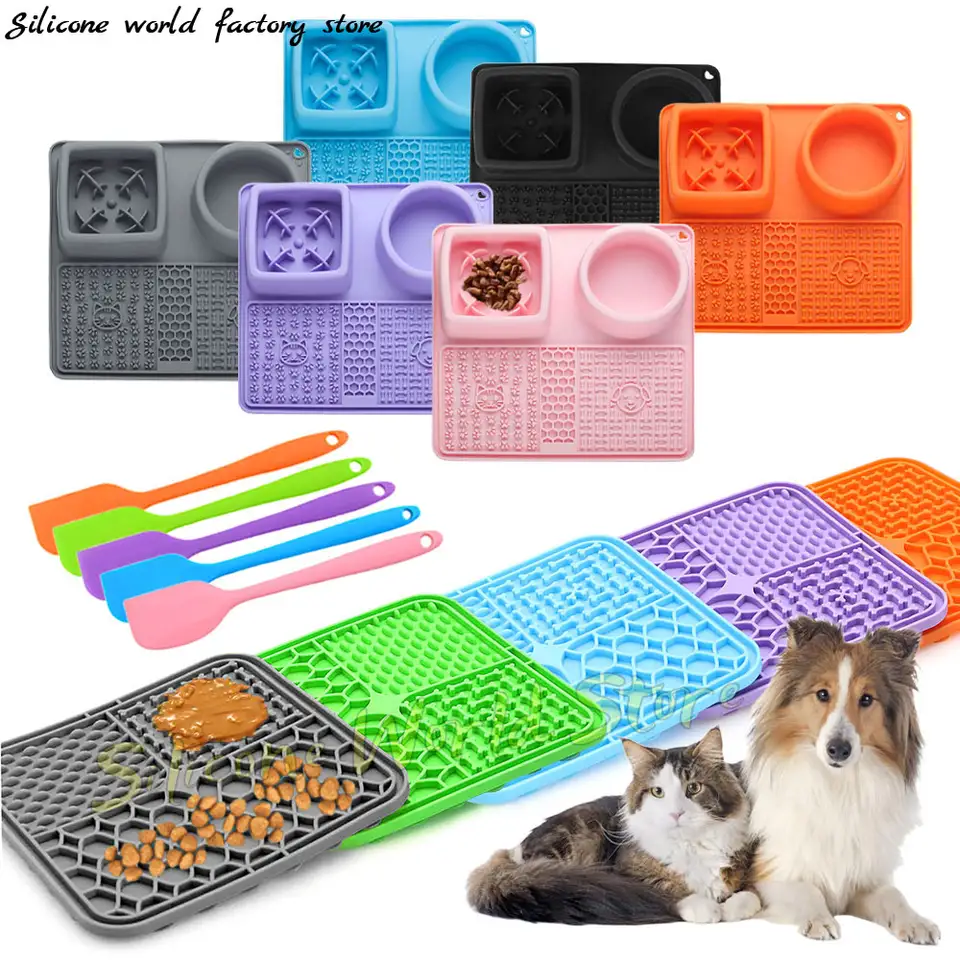
Gradually extend crate time to 10, 20, then 30 minutes while you're in the room. Use a stuffed Kong or [lick mat](/products/lick-mat-suction-cups) to make this enjoyable — a frozen lick mat can keep a puppy occupied for 20–30 minutes.
Move to short absences: leave the room, return, open. Extend these absences gradually.
Week 5+: Overnights and regular use
Most puppies are ready for overnight crating by week 5. Place the crate in your bedroom — puppies sleep better hearing you breathe. A puppy under 6 months will need at least one nighttime bathroom break.
Common Mistakes
Using the crate as punishment: The crate should never be associated with negative emotion. If you're sending your dog to their crate because you're frustrated, they'll learn to fear it.
Leaving too long: Puppies can hold their bladder for roughly one hour per month of age, plus one (so a 3-month puppy can hold for 4 hours max). Don't exceed this.
Releasing during whining: This teaches that whining opens doors. Always wait for quiet.
Moving too fast: Rushing any step creates anxiety. If your puppy is stressed, go back to the previous step for another few days.
Signs Crate Training Is Working
- Puppy enters the crate voluntarily for naps
- No whining or distress when the door is closed
- Relaxed body language inside the crate
- Puppy goes to their crate on their own when tired
Most puppies reach this point within 4–6 weeks of consistent training. The investment is absolutely worth it — a crate-trained dog has a safe space for life, which dramatically reduces stress during travel, vet visits, and emergencies.

Ready to Try It?
Everything mentioned in this article ships free. Use code WELCOME10 for 10% off your first order.
Shop PawHaven →