
12 Signs of Anxiety in Dogs (And What to Do About Each One)
Not all dog anxiety looks like shaking and hiding. Learn the subtle signs most owners miss — and which products actually help, ranked by effectiveness.
Up to 40% of dogs experience anxiety at some point — but most owners only recognize it when it reaches the dramatic stage: full shaking, destructive chewing, or escape attempts. Here are the earlier, subtler signs, and what actually helps for each.
The 12 Signs (Ranked by How Often They're Missed)
### 1. Yawning Outside of Tiredness
Yawning is one of dogs' primary calming signals — a way of communicating "I'm stressed" to both humans and other dogs. If your dog yawns repeatedly in non-sleepy situations (at the vet, during visitors, when hearing loud noises), that's anxiety.
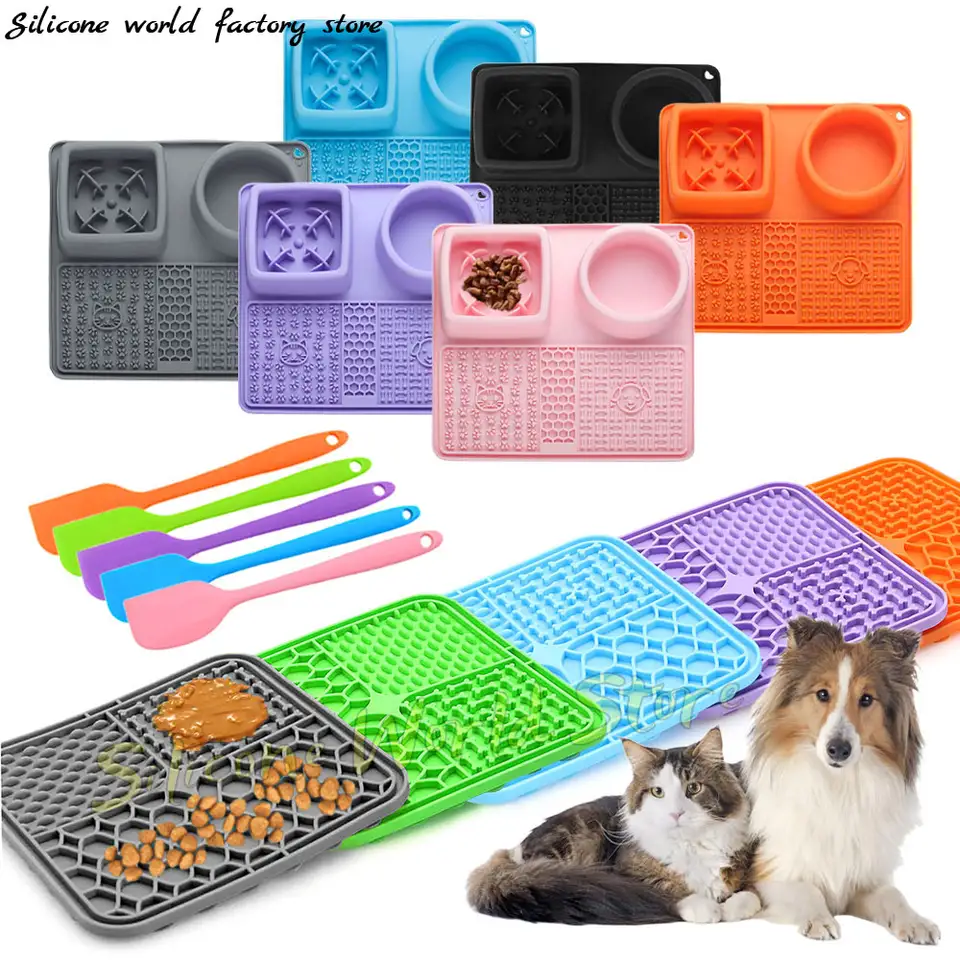
What helps: Identify the trigger. Remove or desensitize. A [calming lick mat](/products/calming-lick-mat) 20 minutes before predicted triggers can pre-empt the anxiety response.
### 2. Lip Licking (Not Around Food)
Like yawning, lip licking is a calming/stress signal. Dogs do this when they're uncertain or uncomfortable — often before a situation escalates.
What helps: This is one of the earliest warning signs. Note what preceded it. Often it's a specific person, noise, or situation you can manage.
### 3. Panting Without Heat or Exercise
If your dog pants heavily while resting in a cool room, anxiety is the most common cause after ruling out pain. It's often intensified during thunderstorms or before vet visits.
What helps: An orthopedic space to retreat to ([memory foam beds](/products/orthopedic-memory-foam-dog-bed) feel more secure to anxious dogs than flat surfaces) plus a frozen lick mat to engage the calming lick reflex.
### 4. Whale Eye
"Whale eye" is when you can see the whites of your dog's eyes — they turn their head away but keep their eyes fixed on the trigger. It signals high stress and a risk of escalation.
What helps: Create distance from the trigger immediately. This is a pre-bite signal in some dogs.
### 5. Sudden Scratching or Biting Themselves
Self-directed behaviors under stress are common. Dogs scratch, bite, or lick their paws when they have no other outlet for anxiety. Chronic cases cause skin damage.
What helps: Redirection to a [puzzle feeder](/products/iq-puzzle-feeder-toy) or lick mat provides a healthy outlet for the same nervous energy.
### 6. Destructive Chewing (Specifically When Alone)
If your dog only destroys things when you're gone, that's separation anxiety — not "bad behavior." The chewing releases endorphins and is self-soothing.
What helps: A [calming lick mat](/products/calming-lick-mat) frozen with their favorite treat, left in their safe space before you leave. The licking provides the same endorphin release without destruction.
### 7. House Accidents (Regression)
A house-trained dog having accidents indoors is often anxious, not "acting out." The nervous system literally overwhelms bladder control under high stress.
What helps: Rule out medical causes first. If anxiety-driven, address the underlying trigger rather than punishing the accident.
### 8. Excessive Barking at Specific Triggers
Reactive barking (at the mailman, delivery trucks, specific sounds) is anxiety-based, not aggression. The dog is trying to make the scary thing go away.
What helps: Desensitization through controlled exposure. Puzzle feeders during trigger windows give the brain something else to focus on.
### 9. Pacing
Pacing in a set pattern — back and forth on the same path — is a sign the dog's cortisol is high and they have excess nervous energy with no outlet.
What helps: Physical and mental exercise before anticipated anxiety triggers. A [maze slow feeder](/products/maze-slow-feeder-bowl) at mealtimes adds 10–15 minutes of mental engagement.
### 10. Refusing to Eat
Anxious dogs often skip meals. The digestive system shuts down under stress — the same reason humans lose appetite when nervous. If your dog regularly skips meals, anxiety is worth ruling in.
What helps: Note when skipped meals coincide with triggers. A [lick mat](/products/calming-lick-mat) with high-value food (wet food, peanut butter) is more likely to engage a stressed dog than a dry kibble bowl.
### 11. Clinging or Velcro Behavior
Some anxious dogs become hyperattached — following you from room to room, panicking if they lose sight of you. This is separation anxiety in its early form.
What helps: Practice micro-separations: leave the room for 30 seconds, return calmly. Increase duration gradually. Don't make exits and entrances emotional events.
### 12. Shaking or Trembling
The most obvious sign — but by the time your dog is shaking, they've likely been showing earlier signals for a while. Shaking is high cortisol, full nervous system activation.
What helps: Remove from trigger immediately. Physical warmth (weighted blankets, contact) helps some dogs. A lick mat, once calm enough to engage with it, helps restore the parasympathetic state.
Products That Actually Help (Ranked by Evidence)
1. Calming Lick Mat — The most evidence-backed calming tool available. Licking physically activates the parasympathetic nervous system. Works for mild to moderate anxiety. Best used proactively, before anxiety peaks.
2. Puzzle Feeders — Redirect anxious energy into focused problem-solving. Most effective for boredom-based anxiety and dogs that pace or scratch.
3. Orthopedic Beds — Giving anxious dogs a designated "safe place" they choose voluntarily reduces cortisol. The memory foam provides physical security.
4. Slow Feeder Bowls — Extend mealtimes from 30 seconds to 5 minutes, adding a structured, predictable calm period twice a day.
Anxiety medications exist and are appropriate for severe cases — talk to your vet. But for mild to moderate anxiety, environmental tools work for most dogs without side effects. Start with the [calming collection](/anxiety) and see what clicks for your dog.

Ready to Try It?
Everything mentioned in this article ships free. Use code WELCOME10 for 10% off your first order.
Shop PawHaven →