How to Groom a Dog at Home: The Complete 2026 Guide
Regular at-home grooming is one of the highest-value habits you can build with your dog. It saves money on groomer visits, strengthens your bond, and gives you weekly contact with your dog's skin and coat — making you far more likely to catch health issues early.
This guide covers every major grooming area, what tools to use, and how to introduce grooming to a resistant dog.
The Four Areas of Dog Grooming
Coat and brushing is the foundation. How often you brush depends entirely on coat type: short-coated dogs (Beagles, Boxers) need once weekly; double-coated dogs (Golden Retrievers, Huskies) need 3–4 times per week; long-coated and curly dogs (Poodles, Shih Tzus) need daily brushing to prevent matting. A self-cleaning slicker brush handles most coat types and is the most versatile single tool you can own.
Nail trimming needs to happen every 3–4 weeks. The indicator: clicking on hard floors means they're too long. Long nails alter gait, cause joint strain, and can curl back into the paw pad. If your dog is nervous about clippers, a rechargeable nail grinder with a quiet motor is significantly easier to introduce — the gradual filing is less jarring than the snap of clippers, and you have more control over how much you remove.
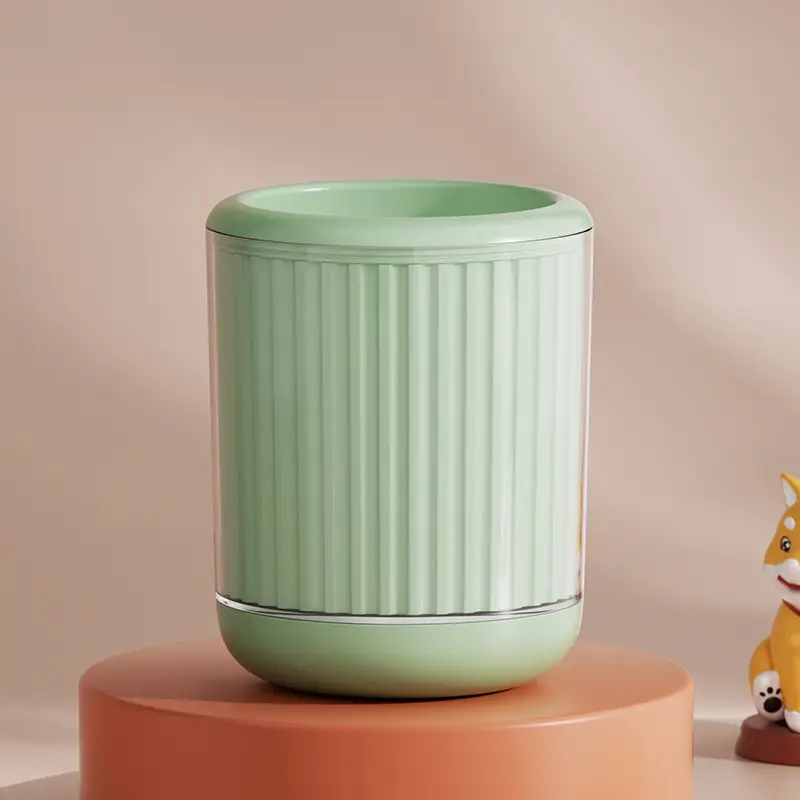
Paw cleaning is underappreciated as a daily habit. Every walk brings in road salt, fertilizer, pesticides, and allergens that collect between the toes and get ingested during licking. A paw cleaner cup with silicone bristles takes 30 seconds per dog and prevents seasonal allergies, paw irritation, and ingestion of outdoor toxins. In winter, always clean paws after walks on salted roads — ice melt is toxic to dogs.
Ear and dental care complete the routine. Check ears weekly for odor or dark discharge. Brush teeth 2–3 times per week — dental disease affects 80% of dogs by age 3 and is the most preventable chronic condition in dogs. Start with a finger brush and dog-safe toothpaste; most dogs tolerate it within a week of consistent, positive introduction.
Brush Before You Bathe
One of the most common grooming mistakes: bathing before brushing. Water sets tangles and can mat fur permanently, especially in double-coated and long-coated breeds. Always brush thoroughly while the coat is dry, then bathe, and wait for the coat to fully dry before brushing again.
Introducing Grooming to a Resistant Dog
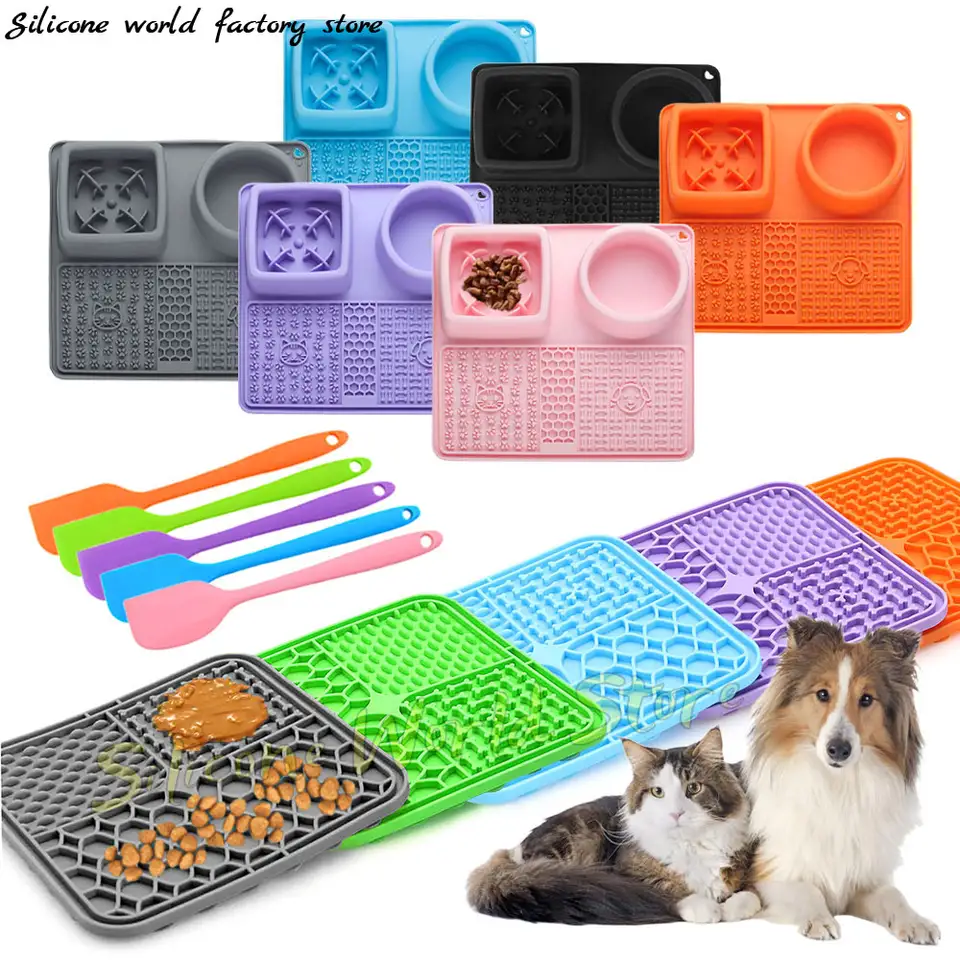
The most effective tool for difficult grooming sessions is a frozen lick mat. A lick mat smeared with peanut butter or wet food occupies most dogs for 10–15 minutes and transforms a stressful experience into a positive one. After three or four sessions pairing the lick mat with grooming, most dogs begin anticipating — and sometimes initiating — the routine.
For nail resistance specifically: start by touching the paws daily without any grooming tools, pairing with treats. Introduce the grinder while it's off, then on but not near the paw, then on and near the paw. Only graduate to actual grinding after the dog is fully comfortable with each prior step. This protocol takes a week or two but creates a dog that cooperates for life.
How to Read Your Dog's Coat for Health
Grooming sessions are diagnostic. Brush against the coat direction occasionally to look at the skin: flakiness or redness indicates a skin issue; black specks could be flea dirt; thinning patches suggest possible hormonal or nutritional problems. Any area where your dog flinches or pulls away during brushing should be examined by your vet — pain sensitivity in the coat often signals an underlying issue that's not yet externally visible.
Consistent at-home grooming, done correctly, dramatically reduces both professional grooming costs and veterinary care costs over a dog's lifetime. The investment in good tools pays for itself many times over.

Ready to Try It?
Everything mentioned in this article ships free. Use code WELCOME10 for 10% off your first order.
Shop PawHaven →