๐Ÿ”ฅ Flash Sale โ€” up to 40% off ยท Use code WELCOME10 for an extra 10% off ยท Free shipping on orders $50+
๐Ÿพ Free shipping on orders over $50 ย |ย  Use code WELCOME10 for 10% off your first order
๐ŸŽฏ๐ŸŽฏ๐ŸŽฏ๐ŸŽฏ๐ŸŽฏ๐ŸŽฏ๐ŸŽฏ๐ŸŽฏ๐ŸŽฏ๐ŸŽฏ๐ŸŽฏ๐ŸŽฏ
๐ŸŽฏ Dog Training Gear

Train Smarter, Not Harder

The right gear makes positive reinforcement training 3x faster. Treat pouches with instant access, no-pull harnesses, and reward toys that make your dog want to work.

Shop Training Gear โ†’

Training Principles That Actually Work

๐ŸŽฏ
Reward Within 2 Seconds
Dogs connect rewards to whatever they were doing in the last 2 seconds. A treat pouch with instant one-hand access is not optional โ€” it's the difference between teaching "sit" and teaching "sit then look around confused."
๐Ÿฆบ
Use a Harness for Loose-Leash Training
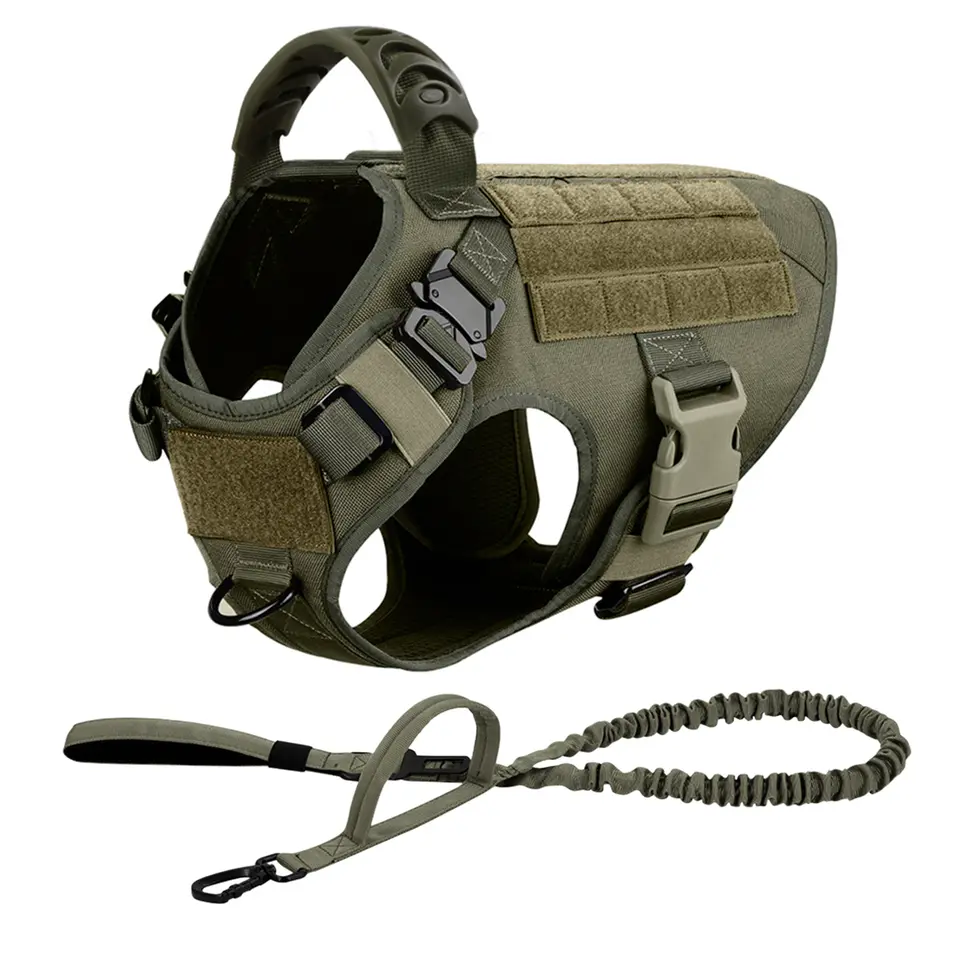
A no-pull harness redirects your dog toward you when they forge ahead, reinforcing the correct position without pain or pressure on the trachea. Step-in harnesses are easiest to fit on wriggly dogs.
๐ŸŽพ
Make Play Part of the Reward System
For high-drive dogs, a tug toy can be more motivating than food. Ending a training session with a tug game creates a powerful reward history and makes your dog eager to work for access to play.
๐Ÿ“
Train at the Right Distance
A retractable leash lets you proof commands at distance โ€” sit, stay, come โ€” without letting your dog fully off-leash before they're ready. Distance is a variable in training, not just a safety feature.

Core Training Kit

The 4 Tools Every Trainer Uses

Professional trainers agree: the right equipment isn't a shortcut โ€” it's what makes the science of positive reinforcement actually work in practice.

Training Timeline by Stage

Week 1โ€“2
Foundation commands
  • โœ“Name recognition
  • โœ“Sit
  • โœ“Watch me
  • โœ“Leave it
๐ŸŽ’ Treat pouch + high-value treats
Week 3โ€“4
Leash manners
  • โœ“Loose-leash walking
  • โœ“Auto-sit at crossings
  • โœ“No pulling
  • โœ“Direction changes
๐ŸŽ’ Step-in harness + 6ft leash
Month 2+
Distance & distraction
  • โœ“Stay with distance
  • โœ“Reliable recall
  • โœ“Proofing in public
  • โœ“Off-leash prep
๐ŸŽ’ Retractable leash + tug toy rewards

Why Training Accessories Actually Matter

Positive reinforcement training is about timing: the reward must arrive within 2 seconds of the correct behavior or your dog can't make the association. This is why the treat training pouch is the single most important piece of training equipment you can own. When treats are on your hip with one-hand magnetic access, you reward in 0.5 seconds instead of 3โ€“4 seconds fumbling in a pocket. That gap makes or breaks whether learning happens.

For leash training, a step-in harness is essential. Loose-leash walking is one of the hardest behaviors to teach when a collar is involved โ€” every pull tightens on the throat, which creates a stress response that makes dogs more reactive, not less. A chest harness removes that aversive element entirely, so your dog can focus on learning the correct behavior rather than escaping discomfort.

For dogs who are toy-motivated more than food-motivated, the heavy-duty rope tug toy is a game-changer as a reward. Ending a training session with 60 seconds of tug creates a powerful reward history and makes obedience practice something your dog actively anticipates.

Frequently Asked Questions

What treats should I use for dog training?โ–พ
Use small (pea-sized), high-value treats your dog doesn't get at other times โ€” cooked chicken, cheese, or commercial training treats work well. The treat should be consumed in under 2 seconds so training doesn't stall. A treat pouch worn on your hip keeps treats accessible without fumbling in your pocket.
How does a treat training pouch work?โ–พ
A training pouch clips to your waistband or belt and holds treats in a wide-mouth compartment you can open with one hand mid-command. The best pouches have magnetic or drawstring closures that open instantly and close automatically, so you're never searching for treats during a critical training moment.
What is the best age to start training a dog?โ–พ
Puppies can begin basic training as early as 8 weeks old โ€” their brains are highly plastic at this stage and they absorb commands quickly. However, adult and rescue dogs train equally well with consistent positive reinforcement. There is no "too late" for basic obedience; the methods just need to be adapted for the dog's history and temperament.
Is a harness or collar better for training?โ–พ
For training purposes, a step-in harness is strongly preferred over a collar. Collars concentrate leash pressure on the trachea, which can cause coughing, pain, or injury when dogs pull โ€” the opposite of a positive training experience. A harness distributes pressure across the chest and shoulders, allows natural head movement, and gives trainers better control over body direction without aversive pressure.

More Dog Essentials

๐ŸŽฏ

Ready to Train Smarter?

Free shipping on orders over $50. 30-day returns. Trusted by thousands of dog owners.