How to Train a Puppy in the First 8 Weeks: A Complete Beginner's Guide
Bringing a puppy home is exciting and chaotic in equal measure. Most owners spend the first week in survival mode — managing accidents, interrupted sleep, and a small animal that seems determined to chew everything. What gets lost in this chaos is that weeks 8 through 16 are the single most important training window of your dog's life.
The socialization window closes around 16 weeks. The habits your puppy builds in these early weeks become the baseline behaviors of adult life. Here's how to use this time well.
Start Day One, Not Week Two
There's a common misconception that puppies need to "settle in" before training begins. This is wrong, and it costs owners weeks of critical time. Your puppy is learning from the moment they arrive home — the question is whether you're directing that learning or leaving it to chance.
On day one, start with just three things: name recognition (say the name, treat when they look at you), sit (lure with treat above the nose, treat when the bottom hits the floor), and crate introduction (door open, treats inside, no pressure). Three minutes, three times a day.
Why Positive Reinforcement Works
Positive reinforcement — rewarding the behavior you want — works because it builds behavior through association rather than fear. When a puppy sits and immediately receives a high-value treat, their brain creates a strong link between the action and the outcome.
The key word is "immediately." Your reward window is 1–2 seconds. After that, your puppy cannot connect the treat to the behavior. This is why a treat pouch on your hip matters — rummaging in a bag while your puppy's bottom lifts off the floor breaks the timing, and the reward arrives too late to reinforce the right moment.
The Four Skills That Matter Most in Weeks 8–16
Name recognition. Your puppy's name should mean "look at me, something good is coming." Say the name once, treat the moment they make eye contact. Never repeat the name while they ignore you — that teaches them the name means nothing.
Sit. This is the foundation command everything else builds on. Lure with a treat held above the nose, say "sit" as the bottom touches the ground, reward immediately. Within a week, most 8-week-old puppies have a reliable sit.
Come. Recall is the most important safety command your dog will ever learn. Practice in low-distraction environments first, reward heavily every single time, and never call your puppy to come for something they dislike (nail trims, baths). Come must always predict something good.
Crate acceptance. A puppy that tolerates — and eventually enjoys — their crate has a safe space that helps with sleep training, housebreaking, and preventing destructive behavior. Introduce it slowly: door open, treats scattered inside, no forced entry. Progress to closing the door only after your puppy enters voluntarily.
The Socialization Priority
Between weeks 8 and 16, socialization outranks trick training. A dog that knows 10 commands but is terrified of strangers, other dogs, or traffic has a serious problem. A dog that knows only "sit" but is confident and calm in new environments is set up for life.
During the socialization window, expose your puppy to as many safe, positive experiences as possible: different people (hats, beards, children, uniforms), sounds (traffic, sirens, applause), surfaces (grass, gravel, grates), and animals. Pair every new experience with treats.
Common Mistakes That Slow Training Down
Inconsistent cues. "Sit," "sit down," "sit!," and "sit, I said sit" are four different signals to a puppy. Pick one word, use it the same way every time, and make sure everyone in the household uses the same cues.
Punishing accidents. Rubbing a puppy's nose in an accident or scolding them after the fact teaches them only that humans are unpredictable. Housebreaking is a management problem — reduce opportunities to fail, reward every outdoor elimination immediately.
Sessions that run too long. A 3-minute training session with full engagement beats a 20-minute session where your puppy checks out after minute five. Short, frequent sessions are always more effective.
The Gear That Makes It Faster
A treat pouch worn on your hip is the single best training investment you can make. It closes the timing gap that breaks the learning loop. Our Rapid Reward Treat Pouch has a magnetic closure that opens in under a second — exactly what you need when the reward window is 1–2 seconds wide.
For leash training, start with a step-in harness rather than a collar. Puppies' tracheas are still developing, and collar tension can cause lasting damage. A harness distributes pressure across the chest and makes the first leash experiences far more comfortable.
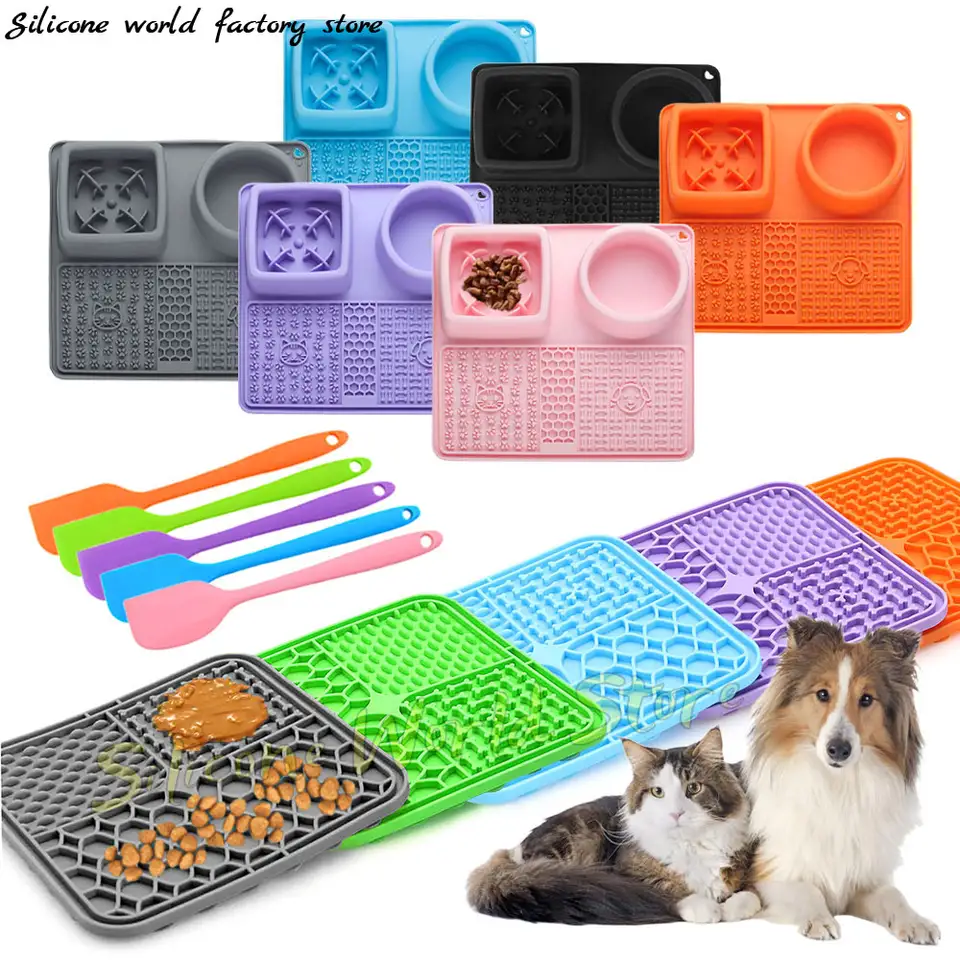
For crate training: freeze a lick mat with peanut butter or wet food and leave it inside the crate during introduction. The extended licking calms the nervous system and builds a positive association with the crate faster than treats alone.
The Bottom Line
The first 8 weeks at home are not a break-in period — they're the foundation. Start training on day one, keep sessions short, prioritize socialization over tricks, reward with precision, and be consistent. The puppies that struggle in adolescence are almost always the ones whose critical window was spent in survival mode rather than structured learning.
You don't need to be a professional trainer. You need to be present, patient, and consistent. That's enough.

Ready to Try It?
Everything mentioned in this article ships free. Use code WELCOME10 for 10% off your first order.
Shop PawHaven →