Multi-Cat Household Guide: Preventing and Resolving Cat Conflict
Understanding Why Cats Fight
Contrary to popular belief, cats aren't antisocial loners—they're territorial animals. In the wild, they maintain individual hunting ranges that rarely overlap. In your home, multiple cats forced into shared spaces can trigger stress and conflict. Some cats are naturally more social, whilst others prefer solitude. Recognising your cats' personalities is the first step to preventing problems.
Common triggers include competition for food, litter boxes, sleeping spots, and attention from you. Illness or pain can also make normally tolerant cats irritable. If conflict develops suddenly, a vet check-up is essential to rule out medical issues.
The Golden Rule: Multiply Resources
The simplest way to prevent conflict is ensuring each cat has their own essential resources—plus one extra.
Litter boxes: The standard guideline is one box per cat, plus one. Place them in different locations so no cat feels trapped or blocked from accessing them. Multi-level homes should have boxes on each level.
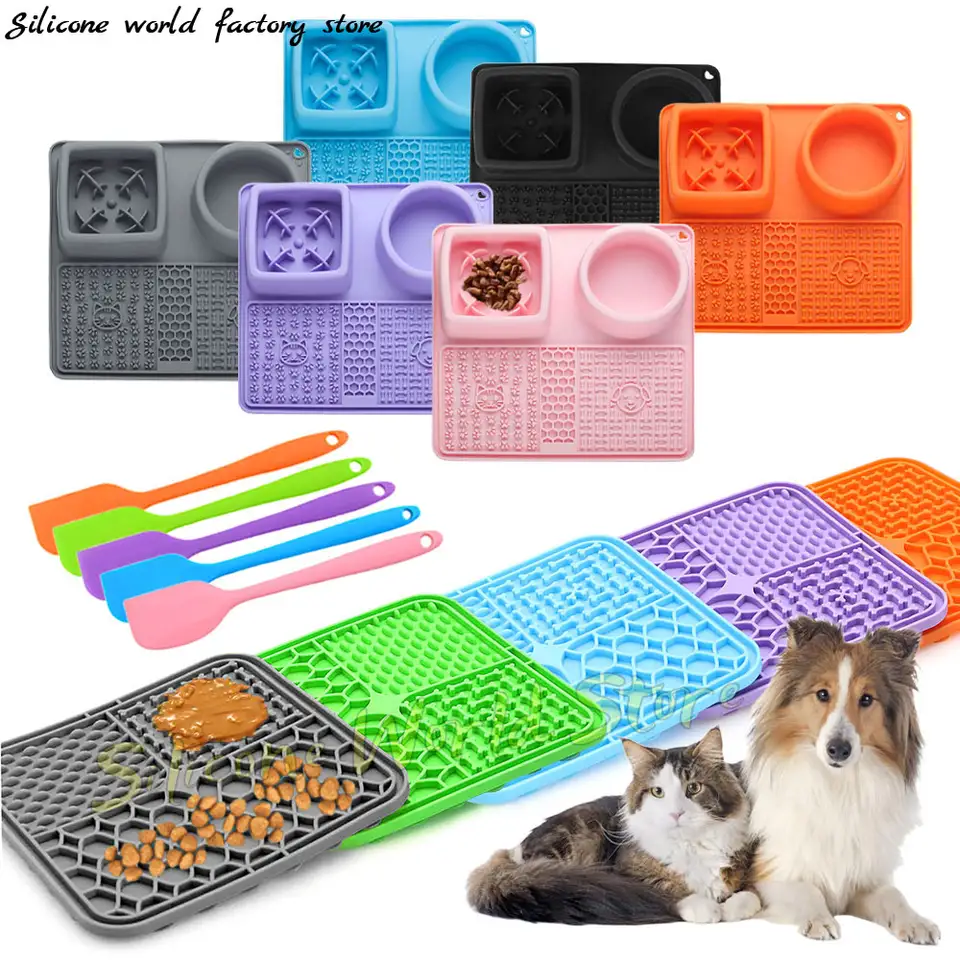
Food and water stations: Feed cats separately if possible. Use separate bowls in different areas, and never leave food out constantly. Scheduled feeding reduces tension and helps you monitor each cat's health. If space is tight, our slow feeder bowls encourage unhurried eating and can help prevent food-guarding behaviour.
Sleeping areas: Provide multiple beds, perches, and hiding spots. Cats feel safer when they can retreat to their own spaces. High perches are especially valuable—they give anxious cats an escape route and a sense of security. Window perches, cat trees, and wall-mounted shelves work brilliantly.
Toys and enrichment: Provide multiple toys to reduce competition. Interactive toys, puzzle feeders, and lick mats keep cats mentally stimulated and tire them out—a tired cat is a peaceful cat.
Creating Separate Safe Zones
If you have a new cat or aggressive dynamics are developing, create separate territories within your home. Use baby gates or closed doors to give each cat their own room initially. This allows them to adjust to each other's scent without direct confrontation.
Gradually introduce visual contact through cracked doors or gates. Only progress to shared spaces once they're calm and showing curiosity rather than fear or aggression.
Managing Introductions Properly
How you introduce cats sets the tone for their relationship. Rushing introductions is the most common mistake.
Start with complete separation for 1–2 weeks. Let the new cat settle in a quiet room with their own litter box, food, water, and a comfortable bed. Swap bedding between rooms so cats become familiar with each other's scent.
After several days, feed them on opposite sides of a closed door. Progress to brief visual contact through a cracked door, then supervised time in the same room whilst you're present. This process takes weeks, not days—patience pays dividends.
Addressing Active Conflict
If cats are fighting or showing significant stress (hiding, loss of appetite, overgrooming), intervention is needed.
Separate them immediately. Use the zoning strategy described above and restart introductions more slowly. Never punish fighting cats—it increases stress and damages your relationship with them.
Consider using pheromone diffusers like Feliway, which calm anxious cats. Environmental enrichment is equally important: puzzle feeders, climbing trees, and interactive play sessions reduce boredom and frustration.
If one cat is bullying another, protect the victim by ensuring they have unrestricted access to resources. Provide multiple escape routes and hiding spots so they don't feel trapped.
When to Seek Professional Help
If conflict persists despite your efforts, consult a feline behaviourist or your vet. Some cats genuinely aren't compatible, and permanent separation may be the kindest solution. Others respond well to targeted behaviour modification.
Prevention Through Play and Enrichment
Bored, understimulated cats are more likely to fight. Daily interactive play sessions tire them out and strengthen your bond. Use feather toys, laser pointers, and balls. Rotate toys weekly to maintain interest.
Enrichment items like puzzle feeders, window perches for bird-watching, and lick mats provide mental stimulation and redirect energy away from conflict. A cat focused on hunting or problem-solving is less likely to pick a fight with their housemate.
The Bottom Line
Multi-cat households thrive on structure, resources, and patience. Give each cat their own space, food station, and enrichment. Introduce new cats slowly and address conflicts early. With thoughtful management, cats can share a home peacefully—and sometimes even become genuine friends.


Ready to Try It?
Everything mentioned in this article ships free. Use code WELCOME10 for 10% off your first order.
Shop PawHaven →