Senior Cat Care Guide 2026: Everything Changes at 7
# Senior Cat Care Guide 2026: Everything Changes at 7
Cats are experts at hiding discomfort. It's a survival instinct — in the wild, showing weakness invites predation. This makes senior cats particularly challenging to care for well: the changes are subtle, slow, and easy to miss until they become significant.
The good news is that most of what changes for senior cats is highly manageable with the right approach and products. This guide covers what to expect at each aging stage and exactly how to adapt your care.
When Is a Cat "Senior"?
The veterinary consensus: 7 years. For reference, a 7-year-old cat is roughly equivalent to a 44-year-old human. By 10, your cat is closer to 56. By 15, they're the equivalent of a 76-year-old.
The three stages vet guidelines recognize:
- Mature (7–10 years): Metabolic slowdown begins, early joint changes, dental accumulation
- Senior (11–14 years): Visible activity reduction, coat quality changes, sleep increases
- Geriatric (15+): Significant mobility limitation, possible cognitive changes, sensory decline
Most cats show their first notable changes between 9–11 years, though some breeds age faster (Persians) and some slower (Siamese, which routinely reach 15–20 in good health).
What Changes Most — and What to Do
### Sleep and Rest
Senior cats sleep 15–20 hours per day, up from the adult average of 12–16. They need better sleep surfaces. Arthritis — present in over 90% of cats over 12 — makes hard surfaces painful even for short naps.
What helps: Low-entry beds with thick padding or memory foam. The key spec is entry height — a bed your cat can step into without lifting their legs more than 4 inches. Cave beds are particularly effective for anxious senior cats, who tend to hide more as they age.
### Enrichment
Older cats still need mental stimulation — they just can't sustain the intensity of younger cats. High-jump pursuits and rapid chase games stress joints. But stopping all play accelerates cognitive and physical decline.
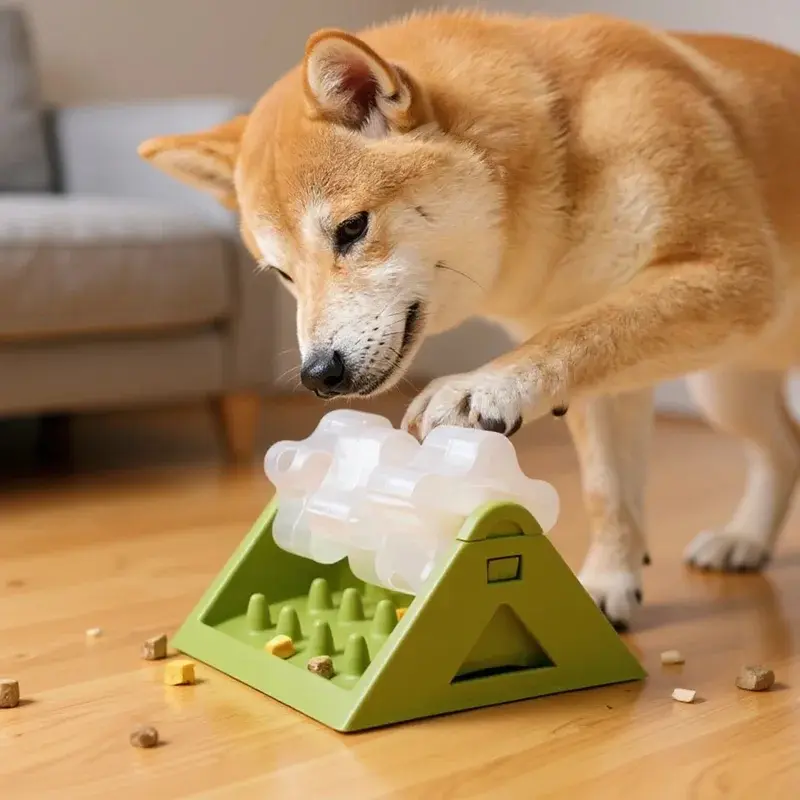
What helps: Slow-moving wand toys at floor level, window perches for passive bird-watching enrichment, lick mats for calm mental engagement. Two 5–10 minute low-intensity sessions daily is better than one 20-minute session.
### Grooming
Senior cats groom less effectively, particularly their lower back and tail base — areas they can no longer reach easily due to stiffness. This leads to matting and skin issues.
What helps: A soft slicker brush used 2–3 times per week. Check claws monthly — arthritic cats scratch less, so claws overgrow and can curl into the paw pad.
### Nutrition
Senior cats often need more protein than younger adults (counterintuitively) because they metabolize it less efficiently. Many also develop decreased kidney function, requiring reduced phosphorus.
Always consult your vet before switching a senior cat's food — the right diet depends heavily on individual health status. But as a general rule: avoid low-protein "senior" formulas unless kidney disease is confirmed.
### Veterinary Care
The biggest change: twice-yearly visits instead of once annually. Age-related conditions — kidney disease, hyperthyroidism, diabetes, dental disease — progress quickly and are dramatically easier to manage when caught early. A $150 wellness check at 11 years old can prevent a $2,000 kidney crisis at 14.
Common Senior Cat Health Issues
Hyperthyroidism affects roughly 10% of cats over 10. Signs: weight loss despite increased appetite, increased thirst, restlessness, vomiting. Very manageable with medication if caught early.
Chronic kidney disease (CKD) is the leading cause of death in senior cats. Early signs are subtle: increased thirst and urination. Annual blood panels after age 7 are the only reliable early detection method.
Arthritis is nearly universal in cats over 12 but rarely diagnosed because cats don't limp — they simply stop doing things that hurt. If your cat has stopped jumping to favorite spots, watch the timing and circumstance carefully.
Dental disease causes significant pain in many senior cats. Signs: dropping food, reduced appetite, preference for softer food, reluctance to have face touched.
Setting Up Your Home for a Senior Cat
Three changes with the highest impact:
1. Add ramps or steps to every elevated surface your cat uses. A cat that used to leap to the windowsill now needs a step.
2. Add litter boxes on every floor. Senior cats sometimes don't make it downstairs in time. Low-entry boxes eliminate the need to step over high walls.
3. Move food, water, and beds to where your cat already spends most of their time — reduce travel distances.
Stability matters enormously. Senior cats adapt poorly to change. Moving furniture, adding new pets, or changing feeding schedules creates disproportionate stress in older cats. When possible, keep their environment consistent and predictable.
The Bottom Line
Senior cat care is about observing more closely and reducing friction. The products matter — good bedding, the right enrichment, gentle grooming tools — but the most important thing is attention. The earlier you notice changes, the more options you have.


Ready to Try It?
Everything mentioned in this article ships free. Use code WELCOME10 for 10% off your first order.
Shop PawHaven →